
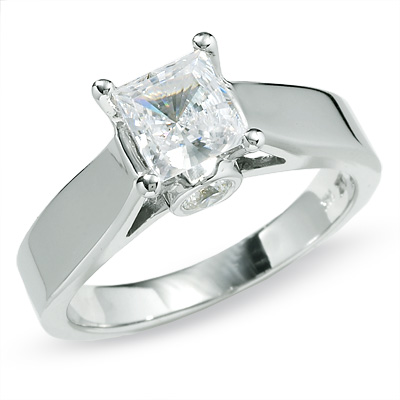
How much are 5 carat diamond rings? A natural 5 carat diamond of good quality usually costs about $75,000 to $130,000, with the market median near $100,000, while a 5 carat lab-grown diamond costs about $1,500 to $3,500 loose. The setting adds more on top.
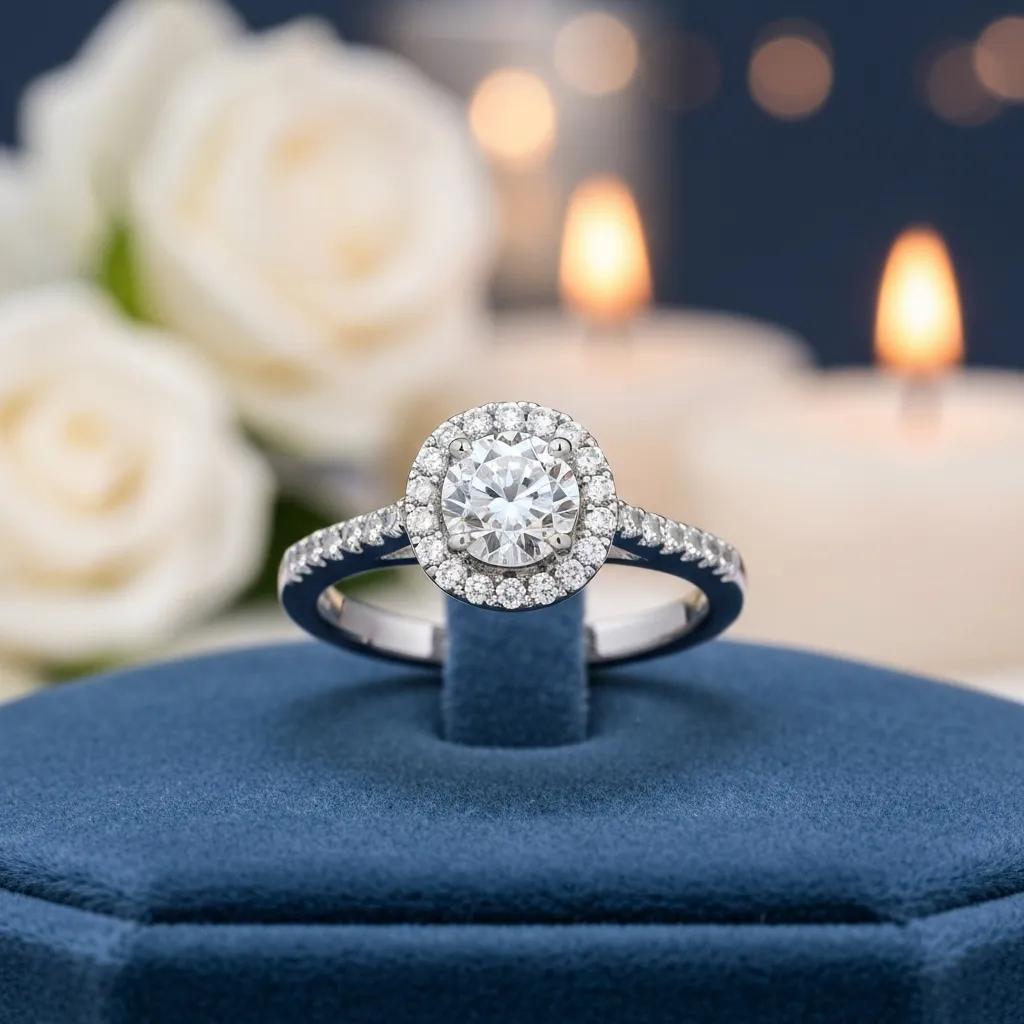
Last updated: November 2026 · Prices checked against live market listings, Sotheby’s and Rapaport
Key Takeaways
- Fewer than 1% of natural diamonds reach 5 carats (Sotheby’s)
- Across 876 natural 5 ct round listings, the median asking price was $96,229 in November 2026 (CaratRadar)
- Sotheby’s puts a natural 5 ct in G color and VS2 clarity at $65,000 to $120,000; D Flawless can exceed $500,000
- 5 ct lab-grown diamonds mostly sell for $1,500 to $3,500 loose, and that price keeps falling (Clean Origin)
- Large natural diamonds hold value better than small ones: 3 ct prices moved -0.4% in a year versus -8.2% for 1 ct (Rapaport)
- A 5 ct round brilliant measures about 11.1 mm across (DiamDB)
- Insurance usually costs 1 to 2% of the ring’s value per year (Jewelers Mutual)

What is a 5 carat diamond ring?
A 5 carat diamond ring has a center diamond weighing 5 carats, which is 1 gram, because one metric carat equals 0.2 grams. That’s a true statement size, more than two and a half times the 1.9-carat average US engagement ring in 2025.
Carat measures weight, not visible size. Cut and shape decide how big the stone looks, so a well-cut 4.9 ct diamond can face up as large as a poorly cut 5.2 ct one. Our diamond carat guide explains the difference, and our guide to big diamond rings covers other statement sizes.
Natural 5 carat diamonds are rare. Sotheby’s notes that fewer than 1% of natural diamonds reach this size (Sotheby’s). Lab-grown diamonds have made the look affordable, which is why the price gap between the two is now so wide.
How much do 5 carat diamond rings cost?
5 carat diamond rings cost from about $1,500 for a lab-grown stone to $500,000 or more for a top natural diamond, plus the setting. Origin is the biggest price factor by far, followed by color, clarity and cut.
These ranges are built to stay useful. Natural prices for large stones move slowly, so the natural bands should hold for the next year or so, while lab-grown prices tend to keep falling, so treat the lab band as a ceiling.
| 5 ct diamond (loose) | Typical price range | Where the figure comes from |
|---|---|---|
| Lab-grown, near-colorless, VS or SI clarity | $1,500 to $3,500 | Clean Origin listings, November 2026; most $1,425 to $2,300 |
| Natural, lower grades (I to K color, SI2 to I1) | About $25,000 to $50,000 | Live listings, e.g. G I1 at $29,330 and F SI2 at $30,795 |
| Natural, good quality (G to I, VS1 to SI1) | About $75,000 to $130,000 | Fair-market range $97,800 to $131,970; Sotheby’s $65,000 to $120,000 for G VS2 |
| Natural, top white (D to F, VVS to IF) | About $150,000 to $500,000+ | Upper market listings; Sotheby’s: D Flawless can exceed $500,000 |
| Natural fancy color (pink, blue, vivid yellow) | Hundreds of thousands to millions | Auction results vary hugely by hue and intensity |
The market median sits near $100,000. In November 2026, 876 natural 5 ct round listings had a median of $96,229 and an average of $107,810 (CaratRadar), and a second tracker put the median of 201 listings at $108,545 (TheDiamondPrice). These are asking prices for loose rounds; fancy shapes usually cost a little less per carat.

What does the whole ring cost?
Add the setting to the stone price. A plain platinum or gold solitaire setting typically adds a few thousand dollars, while a pavé band, halo or designer mounting can add considerably more. Sales tax and insurance come on top, so budget the total, not just the diamond.
Will 5 carat diamond prices change next year?
Natural prices for large diamonds have been the most stable part of the market. Rapaport’s index for 3 ct diamonds moved just -0.4% over the year to November 2025, while 1 ct prices fell 8.2% and half-carat prices fell 20.3% (Rapaport). Rare sizes like 5 carats tend to follow the larger-stone trend.
Lab-grown prices are the opposite. Wholesale prices for 3 ct lab rounds fell 50% in a year to mid-2025 (Modern Jeweler), and large lab stones have fallen furthest. That makes them a bargain to wear but a poor store of value, so read our lab created vs real diamonds comparison before deciding.
How can you check today’s price yourself?
Prices change daily, so check the current median on a live tracker before you buy, then compare three or four stones with the same grades. Estimate any shortlisted stone with our diamond price calculator, and remember that a seller’s “was” price means little; the grading report is what you’re paying for.
How big is a 5 carat diamond?
A 5 carat round brilliant measures about 11.1 mm across, typically between 10.8 and 11.3 mm, and around 6.7 mm deep. On most hands it covers roughly the width of the finger.
Diameters come from DiamDB’s round brilliant size chart. Compare with our guides to the 1 carat diamond, 2 carat engagement rings and 3 carat ring prices. Going from 1 ct to 5 ct multiplies the weight by five but the diameter by only about 1.7.
Which shapes look best for 5 carat diamond rings?
Round brilliants give the most sparkle, while elongated shapes such as oval, pear and marquise look larger for the same weight. Emerald cuts can look slightly smaller but show off clarity, so they need a cleaner stone.

| 5 ct shape | Example size (mm) | How it looks |
|---|---|---|
| Round brilliant | 11.11 × 11.11 | Maximum sparkle; the classic choice |
| Oval | 13.88 × 9.25 | Looks larger; lengthens the finger; watch for a bow-tie shadow |
| Cushion | 9.96 × 9.96 | Soft, vintage look; faces up smaller than a round |
| Princess | 9.42 × 9.42 | Crisp square; corners need protective prongs |
| Emerald | Varies by ratio | Hall-of-mirrors facets; inclusions show more |
| Pear | Varies by ratio | Looks large; the point needs a V-prong |
Example dimensions from DiamDB; fancy shapes vary with their length-to-width ratio. For step cuts, see our guide to emerald cut rings.
What quality should a 5 carat diamond have?
For a natural 5 carat diamond, aim for G color or better, VS2 clarity or better, and an Excellent cut on rounds or Very Good on fancy shapes, the grades Sotheby’s recommends. At this size, tints and inclusions are much easier to see than in a small stone.
Color matters more in big diamonds because there’s more body for tint to show, and clarity matters most in step cuts like emerald and Asscher, where large open facets act like windows. Compare grades on our color chart and clarity chart.
Insist on an independent grading report from GIA or a comparable lab; our diamond certificate guide explains what to check. For lab-grown stones, GIA now labels them only “Premium” or “Standard”, while IGI still gives full grades.
How can you save money on a 5 carat diamond?
Buy just under the weight. Prices jump at round numbers, and GIA notes that buying slightly under a key weight saves money (GIA), so a 4.80 to 4.95 ct stone can look the same as a 5.00 ct for noticeably less.
Other proven savings are choosing H or I color in a yellow gold setting, an eye-clean SI1 instead of VS, or an oval or pear that looks larger for its weight. In my experience, a well-cut 4.8 ct stone at a sensible grade is the best value most buyers will find at this size.
Which settings suit 5 carat diamond rings?
A secure six-prong solitaire, a halo or a three-stone setting all suit a 5 carat diamond; the priority is protecting a stone that sits high and catches knocks. Platinum prongs are the strongest choice.

A solitaire lets the stone speak for itself, a halo makes it look even bigger, and a three-stone design adds side diamonds. Compare every style in our diamond ring settings guide. Think about daily life too: a lower-profile setting is easier to wear with gloves and sleeves than a tall cathedral mount.
How do you protect a 5 carat diamond ring?
Insure the ring, have the prongs checked every six to twelve months, and take it off for sport, the gym and gardening. Annual premiums usually run 1 to 2% of the ring’s value (Jewelers Mutual), so a $100,000 ring may cost $1,000 to $2,000 a year to cover.
Get an independent appraisal at current replacement value and update it every few years, especially as lab prices fall; our ring appraisal guide explains how. Keep the grading report and receipt somewhere safe, separate from the ring.
How I researched this guide
This guide draws on my 20 years pricing large diamonds. Price bands combine Sotheby’s buying guide, two live trackers covering 876 and 201 natural 5 ct round listings in November 2026, Clean Origin’s 130 lab-grown 5 ct listings, Rapaport’s price index and Edahn Golan’s wholesale data. Prices change; treat them as a guide and get current quotes.
Frequently asked questions about 5 carat diamond rings
How much is a 5 carat diamond ring?
A good-quality natural 5 carat diamond usually costs about $75,000 to $130,000, with the market median near $100,000. A 5 carat lab-grown diamond costs about $1,500 to $3,500 loose. The setting is extra.
How big is a 5 carat diamond in mm?
A 5 carat round brilliant is about 11.1 mm across, typically 10.8 to 11.3 mm, and about 6.7 mm deep. Oval and pear shapes look larger for the same weight.
How rare is a 5 carat diamond?
Very rare in nature: fewer than 1% of natural diamonds reach 5 carats, according to Sotheby's. Lab-grown 5 carat diamonds are widely available.
Will 5 carat diamond prices go down next year?
Natural large-diamond prices have been stable, with 3 ct prices moving only -0.4% in a year to November 2025. Lab-grown prices keep falling, so expect lab stones to get cheaper.
Why are 5 carat lab-grown diamonds so cheap?
Production has scaled up and wholesale prices have fallen sharply, with 3 ct lab rounds down 50% in a year to mid-2025. That also means lab-grown diamonds have very low resale value.
What color and clarity should a 5 carat diamond be?
Sotheby's recommends G color or better, VS2 clarity or better, and an Excellent cut for rounds or Very Good for fancy shapes, because tints and inclusions show more in large stones.
How much does it cost to insure a 5 carat diamond ring?
Jewelers Mutual says annual premiums usually run 1 to 2% of the ring's value, so a $100,000 ring might cost $1,000 to $2,000 a year to insure.
How can I save money on a 5 carat diamond?
Buy just under 5 carats, such as 4.80 to 4.95 ct, choose an eye-clean SI1 or H to I color, or pick an oval or pear that looks larger. Lab-grown cuts the price dramatically.
Price your 5 carat diamond
Check today’s median, compare three or four stones with the same grades, and explore more guides at Diamond Rings Info.
Anthony Chege is a gem and jewelry dealer with 20 years’ experience sourcing, grading and selling diamonds and colored gemstones. He writes for Diamond Rings Info on diamond grading, pricing and buying.