
Can you really buy wholesale loose diamonds? True wholesale prices are trade prices that dealers pay each other on bourses and from cutters, usually only open to registered businesses. Consumers can get close by buying graded stones from low-overhead online sellers.
Last updated: November 2026 · Checked against published industry history and tracked online prices
Key Takeaways
- De Beers controlled 80% to 85% of rough diamond distribution from 1888 until the early 2000s; by 2021 its share of supply had fallen to 25% (Wikipedia)
- Polished diamonds are traded between dealers on 27 member bourses of the World Federation of Diamond Bourses (Wikipedia)
- Dealers price stones as a discount or premium to the Rapaport Price List, first issued in 1978 (Wikipedia)
- Traditional “keystone” retail pricing sets the shop price at double the wholesale cost
- A natural 1 carat round sold online had a median price of $3,710, a useful benchmark against “wholesale” offers (CaratRadar)
- Most sellers advertising “wholesale prices” to the public are retailers with lower overheads, not true wholesalers

Diamond Rings Info may earn a commission if you buy through links on this page, at no extra cost to you.
What does “wholesale loose diamonds” really mean?
Wholesale loose diamonds are polished, unset stones sold between businesses in the trade, from cutters and dealers to jewelers, usually in parcels or single graded stones at trade prices. The buyer is normally a registered jeweler or manufacturer, not a member of the public.
To consumers, “wholesale” is mostly a marketing word. It suggests you’re buying at dealer prices, but a seller who sells to the public is a retailer, whatever the sign says. That doesn’t mean the deal is bad; it means you should compare prices, not labels. For a buyer’s guide to choosing a single stone, see our main guide to loose diamonds; this page explains the trade behind the prices.
How does the diamond pipeline work?
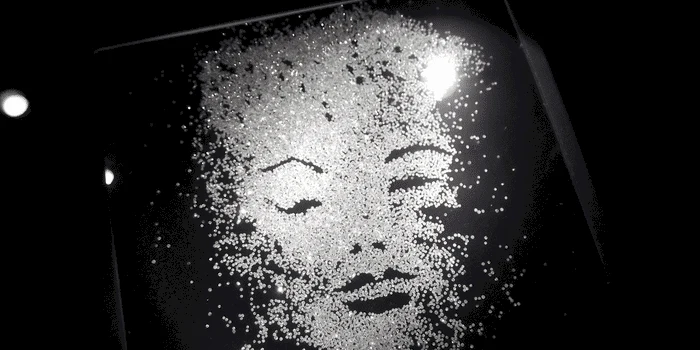
A diamond passes through six stages between the mine and the store: mining, rough sales, cutting, polished trading, jewelry manufacturing and retail. Each stage adds cost and margin, which is why the same stone is cheapest near the start of the diamond pipeline and most expensive at the end.
Everything starts with uncut stones, known in the trade as rough diamonds. Miners sell them to manufacturers through contracts, tenders and auctions. De Beers sells about 90% of its rough by value through Global Sightholder Sales to contracted buyers called sightholders, with sales operations in Botswana, Namibia and South Africa, and it mines in Botswana, Namibia, South Africa and Canada (Wikipedia).
Manufacturers cut and polish the rough, mostly in India, with older centers such as Antwerp, Tel Aviv and New York. Polished stones are then traded between dealers on diamond bourses before jewelers and manufacturers buy them to set and sell.
| Stage | Who sells | Who buys | Open to the public? |
|---|---|---|---|
| Rough sales | Miners such as De Beers and Alrosa | Sightholders and manufacturers | No |
| Polished wholesale | Cutters and dealers on bourses | Dealers and jewelers | Rarely; trade credentials needed |
| Jewelry wholesale | Manufacturers | Retail stores | No |
| Retail | Stores and online sellers | Consumers | Yes |
How much are diamonds marked up from wholesale to retail?
Markups vary widely, but the traditional rule in jewelry retail is keystone pricing: the shop price is set at double the wholesale cost (Wikipedia: pricing strategy). Chain stores with high rent and advertising often mark up more, while online sellers with lower overheads usually mark up less.
In the trade, polished diamonds are priced against the Rapaport Price List, a weekly benchmark of asking prices. Dealers quote prices as a percentage discount or premium to that list, so a stone might trade at “30 below Rap” depending on its quality and demand. Consumers rarely see these numbers, which is one reason retail diamond prices feel opaque.
A practical benchmark is the price of graded stones online. A natural 1 carat round had a median price of $3,710 across 40,955 tracked listings, with most between $2,305 and $8,276, so a “wholesale” offer far below that range deserves a close look. Our diamond price calculator gives quick estimates for other grades.

Can consumers buy loose diamonds at wholesale prices?
Not true trade prices, in most cases. Bourses and dealers usually require trade membership, references and a business license, and they sell in parcels or on credit terms that suit jewelers, not individuals.
What consumers can do is get close. Online sellers that buy from cutters, carry little stock and avoid expensive storefronts often charge far less than a mall jeweler, and some offer a Price Match. Before you purchase, compare the same grades across several sellers; online jewelers such as James Allen list thousands of graded stones with video, which makes like-for-like comparison easy.
Lab-grown diamonds are the other route to a low price, because their cost has fallen far below natural stones. Read our lab-grown diamonds guide, or our affordable diamond engagement rings guide for budget tactics.
How do you spot a fake “wholesale” diamond deal?
Be wary of any seller that promises wholesale prices but can’t show a grading report, a return policy and a real business address. The bigger the promised discount, the more you should check.
- No GIA or IGI report: without one, you can’t compare the price or confirm the grades.
- Prices far below the market: may mean treated, misgraded or synthetic stones sold as natural.
- Pressure to pay fast, in cash or by wire: common in scams.
- No returns: legitimate sellers let you have the stone checked independently.
Our guides to Fake Rings and how to tell if a diamond is real show the checks to make before you pay.
What should trade buyers check when buying wholesale loose diamonds?
Jewelers buying in volume should check the report for every important stone, inspect parcels of small diamonds for consistent color and clarity, and screen everything for lab-grown stones mixed in. Undisclosed lab-grown stones mixed into natural parcels are a known risk in the trade.
Agree prices against a clear benchmark, confirm the return or exchange terms in writing, and buy from established dealers who belong to a recognized bourse. Our guide to diamond grading explains the 4Cs every buyer should check, and our guide to diamond cut covers proportions.
Will wholesale diamond prices change next year?
Natural diamond prices have been soft, drifting slightly lower in tracked online listings, and De Beers’ shrinking share means no single company now controls supply as it once did. Lab-grown prices keep falling as production grows. Expect natural prices to stay near current levels and lab-grown prices to keep slipping, and check live listings before you buy.
How this guide was researched: industry history comes from Wikipedia’s De Beers, World Federation of Diamond Bourses and Rapaport Diamond Report articles, the pipeline stages from Sarine, and price benchmarks from CaratRadar’s tracking of 40,955 natural 1 carat round listings.
Frequently asked questions about wholesale loose diamonds
What are wholesale loose diamonds?
They are polished, unset diamonds sold between businesses in the trade, from cutters and dealers to jewelers, at trade prices. Buyers are usually registered jewelers or manufacturers.
Can I buy diamonds at wholesale prices as a consumer?
Rarely at true trade prices, because dealers and bourses usually require trade credentials. Low-overhead online sellers and lab-grown diamonds are the closest most consumers can get.
How much do jewelers mark up diamonds?
It varies. Traditional keystone pricing sets retail at double the wholesale cost, chain stores often mark up more, and online sellers usually less.
What is the Rapaport Price List?
It is a weekly benchmark of asking prices for polished diamonds, first issued by Martin Rapaport in 1978. Dealers quote prices as a discount or premium to it.
Does De Beers still control the diamond market?
No. De Beers controlled 80% to 85% of rough distribution until the early 2000s, but its share of supply had fallen to about 25% by 2021.
Where are most diamonds cut and polished?
Most are cut in India, with older centers in Antwerp, Tel Aviv and New York.
Is a diamond advertised as wholesale a good deal?
Only if it is cheaper than graded stones of the same quality elsewhere. Compare the report grades and prices across several sellers rather than trusting the label.
How do I avoid wholesale diamond scams?
Insist on a GIA or IGI report, a return policy and a real business address, avoid pressure to pay by cash or wire, and have the stone checked independently.
Ready to get a fair price?
Ignore the “wholesale” label, compare graded stones of the same quality across several sellers, insist on a GIA or IGI report and a return policy, and use online medians as your benchmark. For more guides, visit Home.
Anthony Chege is a gem and jewelry dealer with 20 years’ experience sourcing, grading and selling diamonds, gemstones and gold. He writes for Diamond Rings Info on diamond grading, pricing and buying.
Home | Fake Rings | Wholesale Loose